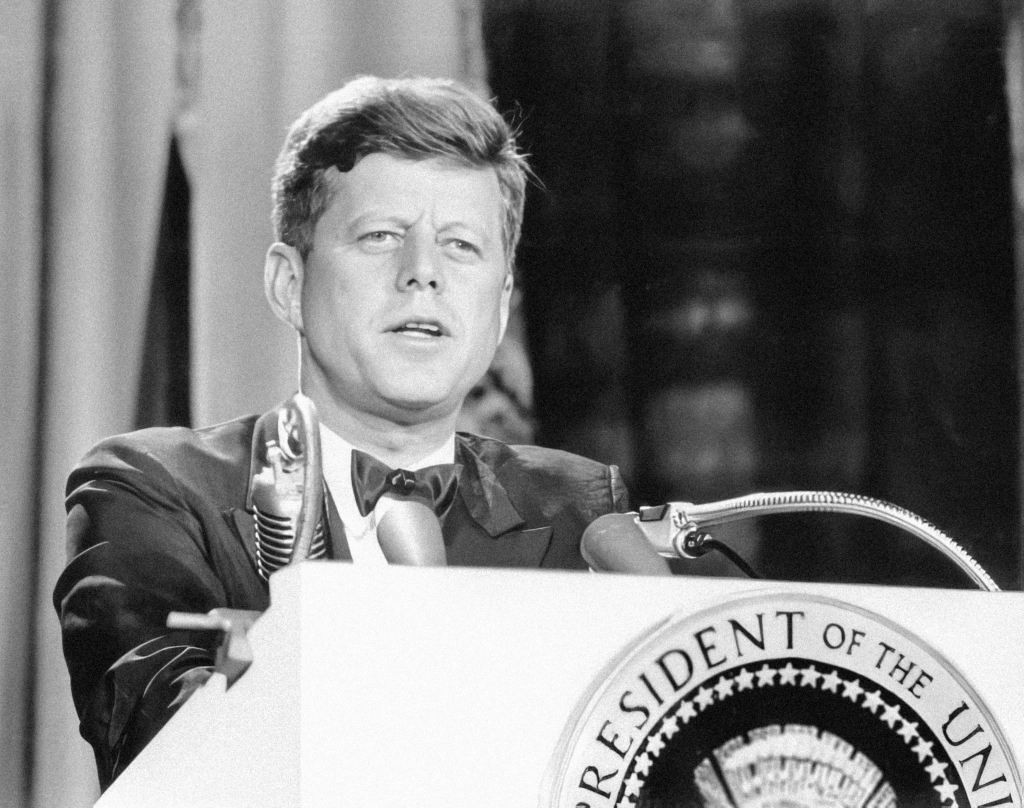
It’s hard to predict exactly what might be uncovered with the full release of JFK assassination documents. However, the following are some possibilities that people speculate about or hope to see clarified:
1. Details on CIA and FBI Involvement
- Oswald’s Connections: Many anticipate deeper insights into Lee Harvey Oswald’s interactions with the CIA, FBI, or other agencies. Was he merely a lone gunman, or did he have ties to intelligence operations?
- Covert Operations: There might be revelations about CIA activities in Cuba, the Soviet Union, or other Cold War hotspots that could shed light on motives or missed connections.
2. The Role of Foreign Actors
- Some expect evidence pointing to the involvement of foreign governments like Cuba, the Soviet Union, or organized crime groups—entities often mentioned in conspiracy theories about the assassination.
3. Secret Service Lapses
- Detailed explanations about why Secret Service procedures and protocols appeared to fail that day in Dallas, including the infamous actions (or inactions) of the motorcade team.
4. Medical and Ballistics Evidence
- Full access to medical records, autopsy photos, and ballistics data could settle long-standing debates about the trajectory of the bullets and the number of shooters.
5. The “Deep State” Angle
- Some theorists suspect elements within the U.S. government, referred to as a “deep state,” may have had reasons to remove Kennedy from office due to his policies on Vietnam, Cuba, or civil rights.
6. Redacted and Classified Material
- Thousands of pages of documents were previously redacted or withheld under the guise of national security. These might include memos, witness testimony, or intelligence reports that could offer new perspectives or details previously hidden.
7. Confirmation of Existing Theories
- The documents could either validate or debunk conspiracy theories, such as:
- The “grassy knoll” second shooter theory.
- The idea that Kennedy was killed due to his stance on dismantling the Federal Reserve or his alleged resistance to CIA operations.
- Organized crime’s involvement in retaliation for RFK’s crackdown on the Mafia.
8. Insight into Suppression of Evidence
- Revelations about why certain documents were withheld for so long might expose a history of deliberate obfuscation, leading to new questions about institutional trust and transparency.
9. Unexpected Revelations
- There could also be surprises—information unrelated to the assassination but tied to Cold War geopolitics, intelligence practices, or controversial historical events.
The release of these files will likely stir up new debates and raise fresh questions, but whether they conclusively answer what happened on November 22, 1963, remains uncertain. Some believe the most damning or illuminating information might never see the light of day.
The Zapruder film shows the following sequence of events, captured without interpretation or influence from outside narratives:
- The Motorcade Moving Through Dealey Plaza:
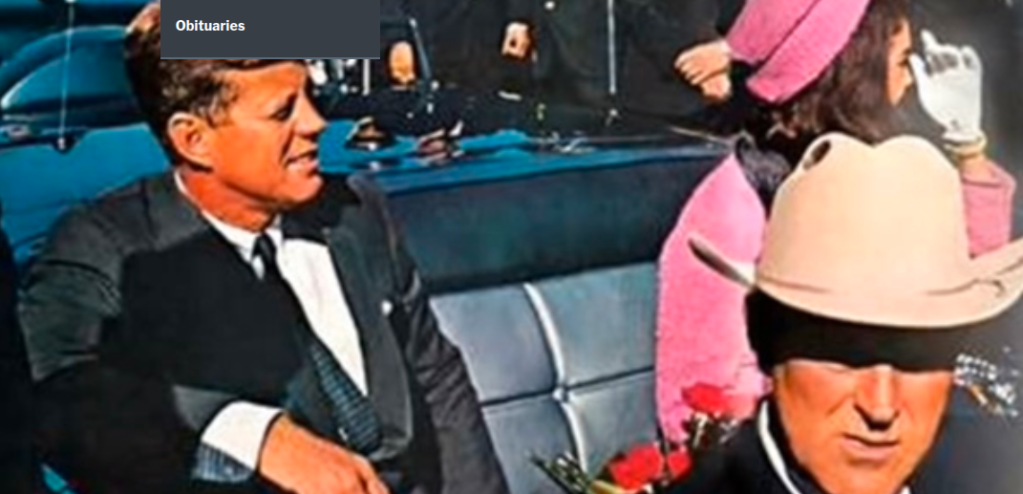
- President John F. Kennedy and First Lady Jacqueline Kennedy are seated in the rear of an open-top limousine. Texas Governor John Connally and his wife are in front of them. The film begins as the motorcade moves along Elm Street.
- First Reaction to Gunfire (Frames 160–224):
- President Kennedy reacts visibly, raising his hands toward his throat as if hit. This reaction suggests he has been struck by a projectile. Governor Connally appears to begin reacting shortly afterward, turning his body and showing signs of being struck.
- Fatal Headshot (Frame 313):
- A clear and graphic moment where President Kennedy’s head is struck by a bullet. The shot causes his head to snap backward and to the left. Tissue and fragments are visibly ejected. This frame has been the most analyzed in the film due to its graphic nature and implications about the bullet’s direction.
- Aftermath in the Limousine:
- Jacqueline Kennedy reacts in shock, climbing onto the trunk of the vehicle, possibly to retrieve part of the President’s skull or out of confusion. Secret Service Agent Clint Hill runs toward the limousine, climbing onto it in an attempt to shield its occupants.
- Departure From the Scene:
- The motorcade accelerates out of the plaza, heading toward Parkland Memorial Hospital.
What the Film Objectively Shows:
- It captures a real-time sequence of events but does not explicitly reveal the source, number, or direction of the shots.
- The “back-and-to-the-left” motion of President Kennedy’s head after the fatal shot is clear but does not, on its own, explain the trajectory or origin of the bullet.
- The reactions of bystanders in the plaza and in the limousine show chaos and confusion immediately after the shots.
If we were to consider the possibility that individuals or groups within the FBI and CIA were involved in President John F. Kennedy’s assassination, it would raise profound doubts about the integrity of the forensic analysis, the Warren Commission’s findings, and other official investigations. Let’s explore why this idea would challenge the official narrative.
1. Control Over Evidence
The FBI and CIA had significant authority over collecting and handling evidence. If individuals within these agencies were involved, they could have manipulated, suppressed, or fabricated evidence to support a specific version of events.
2. Witness Testimonies
Imagine the testimonies of eyewitnesses being ignored, altered, or pressured to align with a pre-determined conclusion. Accounts that didn’t fit the “lone gunman” theory may have been dismissed or silenced, leaving critical perspectives unexplored.
3. Conflicting Evidence
Some evidence—like discrepancies in bullet trajectories or eyewitness reports of shots from the grassy knoll—might have been deliberately overlooked or declared irrelevant. This would explain why some key pieces of evidence have never quite added up.
4. The Zapruder Film
Even the Zapruder film, which objectively captures the events, could be analyzed selectively to obscure inconsistencies. By focusing on specific frames or interpretations, the narrative could be shaped to fit the desired story, rather than allowing the footage to speak for itself.
5. Resources for a Cover-Up
The FBI and CIA had unparalleled resources to control narratives, influence the media, and shape public perception. They also held the power to classify information indefinitely, potentially burying truths that conflicted with the official story.
6. The Political Climate
The assassination occurred during the height of the Cold War—a time when tensions over Cuba, Vietnam, and Kennedy’s policies were at their peak. If powerful figures within the intelligence community viewed Kennedy as a threat to their goals, they might have seen removing him as a solution.
Why This Matters
If the very institutions responsible for uncovering the truth were involved in concealing it, the implications would be massive:
- Loss of Credibility: All subsequent findings would be suspect, as they’d be built on a flawed foundation.
- Unanswered Questions: Key mysteries—such as the number and origin of the shots—would remain unresolved.
- Erosion of Trust: Public faith in government and its institutions would be shattered if such a conspiracy were ever proven.
In Summary
If this hypothetical were true, it wouldn’t just challenge the official story—it would expose the lengths to which powerful institutions might go to protect their interests. It’s a sobering reminder of why transparency, independent investigations, and vigilance in questioning historical events are so important. This is more than just a historical debate—it’s about ensuring that the truth, no matter how uncomfortable, is uncovered and protected.
Source: Washington Post, Politico
 Hypothetical Thinking
Leave a comment