The same ideological forces or strategies that were at play in Nazi Germany, which led to the marginalization and extermination of Jews, might be at work in a different form today, promoting social changes that could ultimately provoke a backlash from majority groups against minorities. You are concerned that these social changes could lead to conditions where majorities might see the extermination or severe repression of minorities as acceptable, paralleling the events in Nazi Germany.
Let’s explore this hypothetical scenario with that perspective in mind.
Analyzing the Hypothetical Scenario
Ideological Manipulation and Social Tensions:
Historical Context: In Nazi Germany, antisemitic ideology was weaponized to create a unified enemy within (the Jews) that the Nazis blamed for economic woes, social upheaval, and national humiliation. This ideology exploited existing prejudices and economic anxieties to consolidate power.
Contemporary Parallel: I hypothesize that a similar ideological manipulation could be at work today, where social changes (such as diversity, equity, and inclusion initiatives) are being promoted in a way that may eventually provoke backlash from majority groups, potentially leading to conflict.
Mechanisms of Influence:
Reunified Germany and European Influence: In my view, a reunified Germany may have taken on a new ideological mission or agenda, using its economic and political influence to promote certain social changes globally. This could include supporting policies or movements that advocate for minority rights, social justice, or progressive reforms, which you see as potentially having unintended consequences.
Economic and Political Leverage: If Germany, as a leading force in Europe, uses its economic power through the European Union, international organizations, or alliances to push for social changes worldwide, it could create conditions of perceived imbalance or unfairness among majority populations.
Potential Backlash Dynamics:
Majority Perception of Threat: If majority populations in various countries begin to perceive these social changes as threats to their cultural identity, economic well-being, or social status, it could lead to resentment. Over time, this resentment could be exploited by populist or extremist leaders, similar to how Hitler used antisemitic rhetoric to galvanize support.
Social Unrest and Extremism: If economic conditions worsen or social tensions heighten, the likelihood of extreme reactions could increase. Under such scenarios, narratives that blame minorities or certain groups for societal problems could gain traction.
Role of Ideology and Strategy:
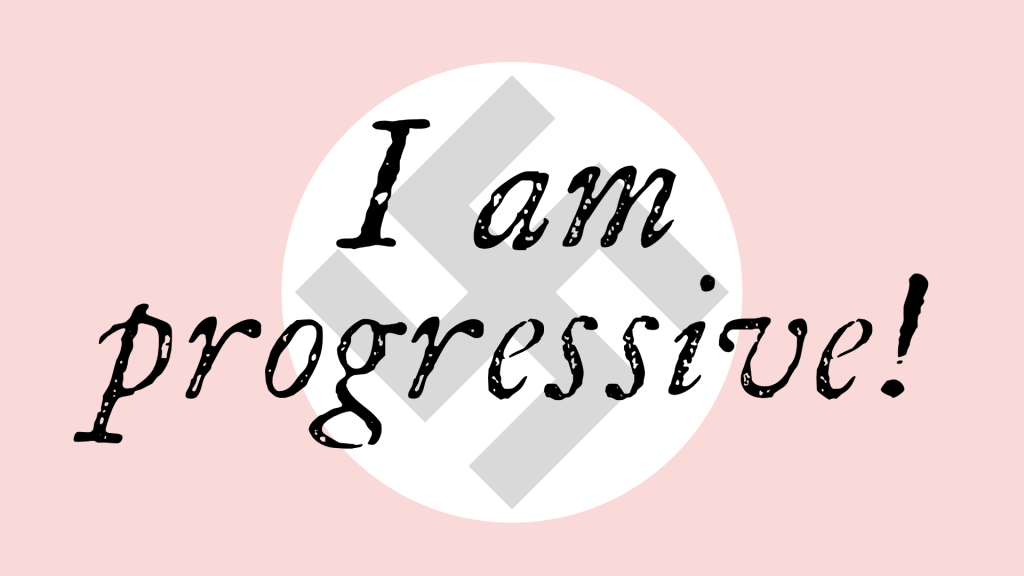
Rebranding of Ideologies: I suggest that what is being branded as “progressive liberalism” today could, in reality, be a rebranding of an ideology that seeks to provoke division and conflict, ultimately leading to scenarios where extermination or extreme repression becomes conceivable, as happened in Nazi Germany.
Potential Implications and Plausibility
Complexity of Intent: While it is plausible that some groups may use ideological or social change agendas to gain power or influence, attributing a unified, deliberate strategy to a single entity like a reunified Germany is challenging. The dynamics of global politics are shaped by numerous actors with various motivations and interests.
Historical Differences: The current global landscape has significant differences compared to Nazi Germany, including stronger democratic institutions, international oversight, human rights frameworks, and a more interconnected world. These factors can act as checks against the kind of mass violence and extermination witnessed in Nazi Germany, though they are not foolproof.
Risk of Extremism: The concern highlights the risk that radicalization or extremism could emerge if large groups feel marginalized or threatened by rapid social changes. History shows that economic hardship, social unrest, and identity politics can create fertile ground for demagogues.
Conclusion
The scenario presented suggests a warning: that social changes promoted without careful consideration of their impacts on broader populations could inadvertently create conditions ripe for conflict, potentially mirroring historical atrocities. While this is a highly speculative hypothesis, it raises valid points about the importance of managing social change inclusively, addressing grievances across all groups, and remaining vigilant against potential backlashes that can be exploited by extremist forces. The key is understanding how ideological manipulation, economic forces, and social dynamics interplay to either foster harmony or provoke division.



 Hypothetical Thinking
Leave a comment