A Veteran, a Nation, and the Stories We Tell
A City Stunned, A Story Told
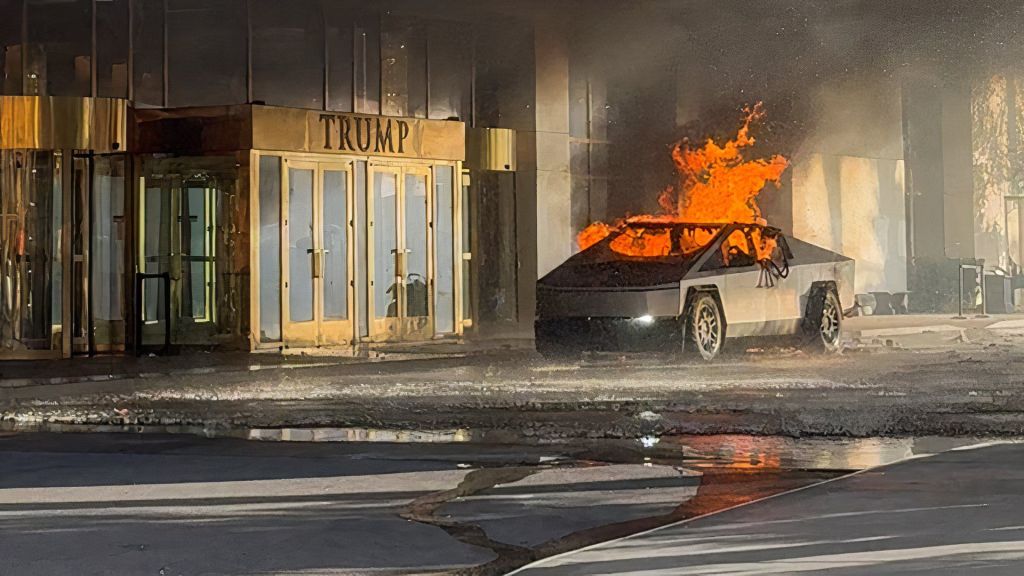
It was an ordinary day in Las Vegas, with tourists filling the streets and the city alive with its usual energy. But that was before the explosion. The Cybertruck incident outside the Trump International Hotel changed everything, leaving tragedy in its wake. Headlines quickly surfaced, but behind the chaos was a man—Matthew Livelsberger, a 37-year-old Army veteran whose name would soon dominate every media outlet.
Matthew’s story wasn’t just about the explosion; it was about his life, his struggles, and the unanswered questions surrounding his final moments. Yet, as the media rushed to label him, the humanity of his story faded, replaced by a narrative that left little room for doubt or compassion.
A Man Beyond the Headlines
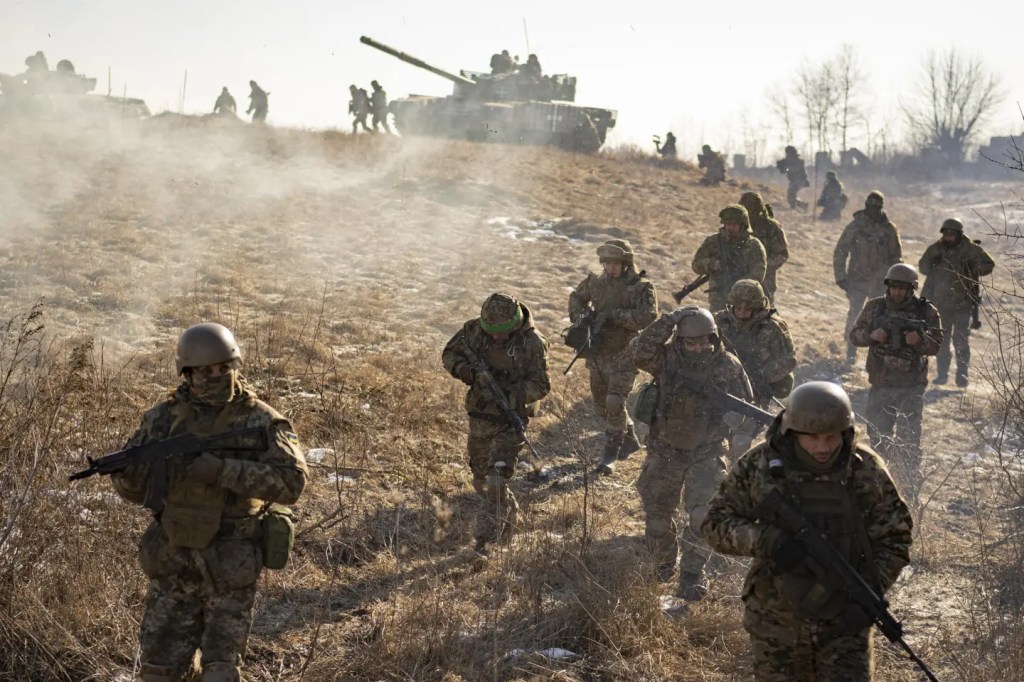
Matthew wasn’t just a suspect. He was a person. Born in Colorado Springs, he served his country with honor, only to face the challenges so many veterans endure when returning home. The echoes of war followed him, shaping his days and perhaps even his choices. But who was he to those who knew him best? A friend. A son. Someone trying to make sense of a world that often doesn’t make sense back.
When the explosion occurred, Matthew’s name was thrust into the spotlight. But what if the story isn’t as clear as it seems? What if the picture painted by the media is incomplete, leaving out critical details that could alter how we remember him?
The Hypothetical Shadow Over the Case
Imagine for a moment that this wasn’t a lone act. That Matthew wasn’t the orchestrator, but a pawn in a larger, more insidious plan. What if this explosion, as devastating as it was, served a purpose beyond what we’re being told? Could it have been designed to distract, to manipulate, or to close a door on questions no one wanted asked?
Here’s how it could have happened in a hypothetical scenario:
- The Perfect Setup: The Cybertruck, packed with fireworks and gas canisters, explodes in a public space. The timing is perfect; the evidence, damning. All eyes turn to Matthew, whose presence makes him an easy target.
- Controlling the Narrative: Before investigators have even pieced together the scene, the media is flooded with stories about Matthew’s alleged guilt. His background as a veteran becomes a tool to paint him as a troubled individual—a ready-made explanation.
- Closing the Case: The authorities announce their findings swiftly. The case is closed, and any lingering doubts are brushed aside as the public moves on, satisfied with a story that’s simple, clean, and complete. Mainstream media moves to remove the word “allegedly,” and here you have some outlets:
Here are some of the publications that have referred to him as the “bomber” or implied his direct involvement:
- The Scottish Sun: “Cybertruck ‘bomber’ named as Army vet Matthew Livelsberger, 37, who ‘served at same base as New Orleans terrorist’”
- New York Post: “Vegas Cybertruck bomber Matthew Livelsberger revealed as special forces soldier overseeing drones”
- The Sun: “Cops make bombshell links between New Orleans terrorist who killed 15 & Tesla Cybertruck ‘bomber’ Matthew Livelsberger”
- International Business Times: “Matthew Livelsberger: Las Vegas Tesla Cybertruck Bomber Is Colorado Springs Soldier Whose Wife Is Registered Democrat Social Worker”
- Times of India: “Did Cybertruck bomber Matthew Livelsberger and New Orleans attacker Shamsud Din Jabbar plan their attacks together?”
The Need for Doubt
But stories are never that simple. In the rush to judge, doubt is often the first casualty. Matthew’s struggles, his sacrifices, his life—all reduced to a footnote in a narrative that might not even be true. What if Matthew was trying to move past his challenges, only to be caught up in something far beyond his control? What if his role in the explosion wasn’t what it’s been made out to be?
No one has confirmed how the Cybertruck was detonated. Was it manual? Was it remote? Was he dead inside the truck? Did they perform an autopsy? The answers remain elusive, but why the rush to conclusions and not wait for a full investigation? Any claims of certainty should be met with skepticism. If there’s one thing this hypothetical scenario highlights, it’s the danger of assumptions.
Adding to the doubts is the credibility of the agency leading the investigation. The FBI, operating in a heavily politicized environment, has been tasked with uncovering the truth. Yet, its history of controversies raises valid concerns. Why not assign this case to NCIS or another military investigative unit more adept at understanding the nuances of cases involving veterans? The decision only deepens the skepticism surrounding the investigation’s transparency and intentions.
Demanding the Truth
The questions don’t end with Matthew. They extend to all of us. How often do we accept the stories we’re told without asking for more? How often do we allow a single narrative to overshadow the complexity of real life?
This isn’t about conspiracy theories; it’s about accountability. It’s about asking the hard questions that might make us uncomfortable but are necessary to uncover the truth. Because Matthew’s story, like so many others, deserves more than a headline.
Conclusion
The explosion in Las Vegas is a tragedy, no matter how you look at it. But the way we choose to remember it—and the man at its center—matters. Matthew Livelsberger’s life was more than the sum of its final moments. Whether his role was what we’ve been told or something far different, we owe it to him, and to ourselves, to seek the truth with open eyes and open hearts.


 Hypothetical Thinking
Leave a comment