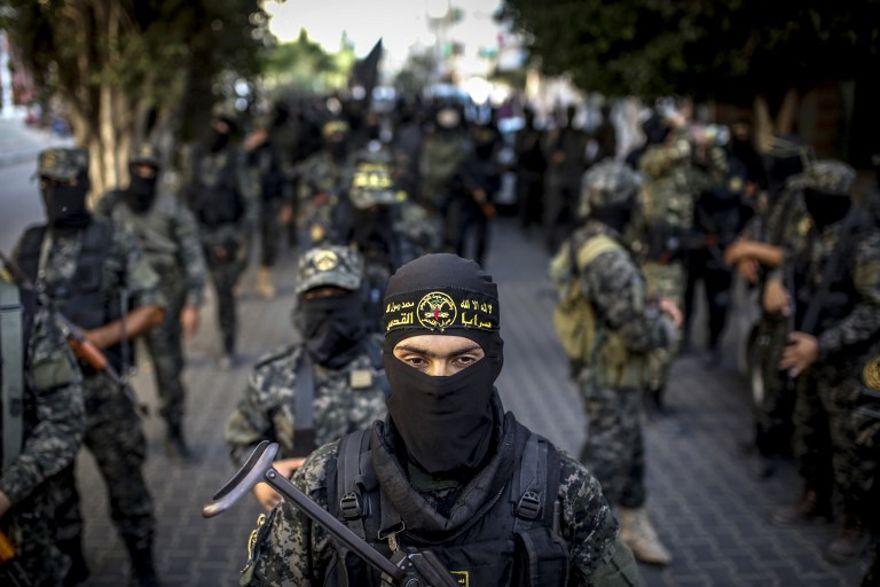
The gambit of using CIA-financed terrorist forces in Syria had succeeded in achieving U.S. geopolitical objectives against Russia:
1. Strategic Influence in the Middle East
- The U.S. could have solidified its influence over Syria, potentially replacing the Assad government with a U.S.-aligned administration or left it in the hands of terrorists.
- This would create a direct challenge to Russian influence in the region, diminishing its foothold established through its support for Assad and its naval base in Tartus.
2. Impact on Russian Geopolitical Goals
- Russia’s ability to project power in the Middle East would have been curtailed, weakening its influence in the region and possibly reducing its ability to secure strategic partnerships, like those with Iran and Turkey.
- A failure in Syria might also have undermined Russia’s global standing as a reliable ally, discouraging other states from aligning with Moscow.
3. Energy and Economic Considerations
- Control over Syria could enable the U.S. or its allies to influence energy transit routes, potentially creating alternatives to pipelines running through Russian-controlled territories.
- This would weaken Russia’s leverage over European energy markets, a critical component of its economy.
4. Expansion of Proxy Warfare
- If successful, this strategy might embolden the U.S. to replicate similar tactics in other contested regions, increasing its ability to challenge adversaries like China and Russia in indirect ways.
5. Regional Destabilization
- A U.S.-aligned Syria might have led to the further marginalization of Iranian influence, disrupting the “Shia Crescent” that connects Tehran to Beirut via Baghdad and Damascus.
- However, the empowerment of terrorist forces could have resulted in prolonged instability, similar to the unintended consequences observed in Afghanistan during the 1980s.
6. Global Perception of U.S. Actions
- While achieving its goals, the U.S. would face significant criticism for the ethical implications of financing and supporting groups classified as terrorists.
- This might strain relations with traditional allies and fuel anti-American sentiment globally.
7. Unintended Consequences
- Empowered terrorist forces could eventually turn against the U.S. or its allies, creating long-term security challenges.
- The broader region could experience a power vacuum, inviting other global or regional powers to exploit the instability.



 Hypothetical Thinking
Leave a comment