Energy, Borders, and Double Standards
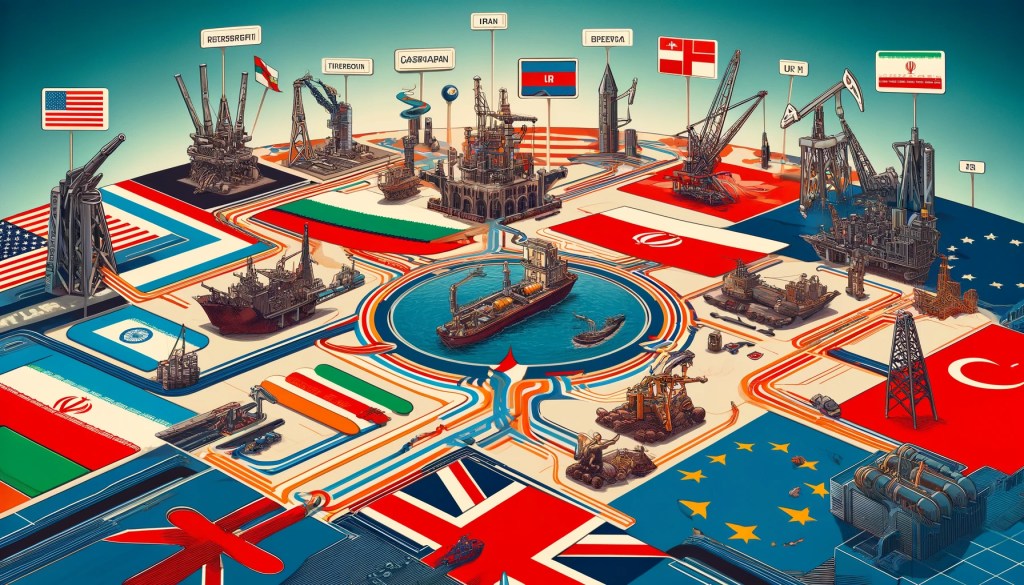
In an increasingly interconnected world, access to energy resources is often framed as a matter of security and survival. Europe’s dependence on external oil and gas has brought regions like the Caspian Basin into sharp focus. However, this pursuit raises fundamental questions about sovereignty, territorial integrity, and the double standards in how nations perceive and protect borders. Would Europe and the West tolerate foreign powers near their borders seeking similar energy access? The ongoing war in Ukraine serves as a stark example of these contradictions.
Caspian Oil: The Ownership Question
The Caspian Basin is shared by five littoral states: Russia, Iran, Azerbaijan, Kazakhstan, and Turkmenistan. These nations, especially Russia and Iran, have significant stakes in the region’s resources and infrastructure. Yet, Europe and the West often discuss Caspian oil as if it were a global commodity, overlooking the sovereignty and rights of these nations to control their own resources.
- Sovereignty and Ownership:
- The Caspian Basin is not a free-for-all resource pool. Russia and Iran have long histories of energy development in the region, with extensive infrastructure and influence.
- Western involvement, whether through economic deals or military alliances, frequently bypasses these two key players, raising tensions over territorial and resource control.
- Historical Parallels:
- Imagine Russia drilling for oil off the coast of Alaska or China investing in Mexican oil reserves near the U.S. border. Such actions would likely provoke significant political and military responses from the West, citing national security concerns.
- Yet, when Europe seeks access to Caspian oil through pipelines bypassing Russian and Iranian territory, the narrative shifts to one of “energy security,” often at the expense of the local geopolitical balance.
The Role of Crimea and Ukraine
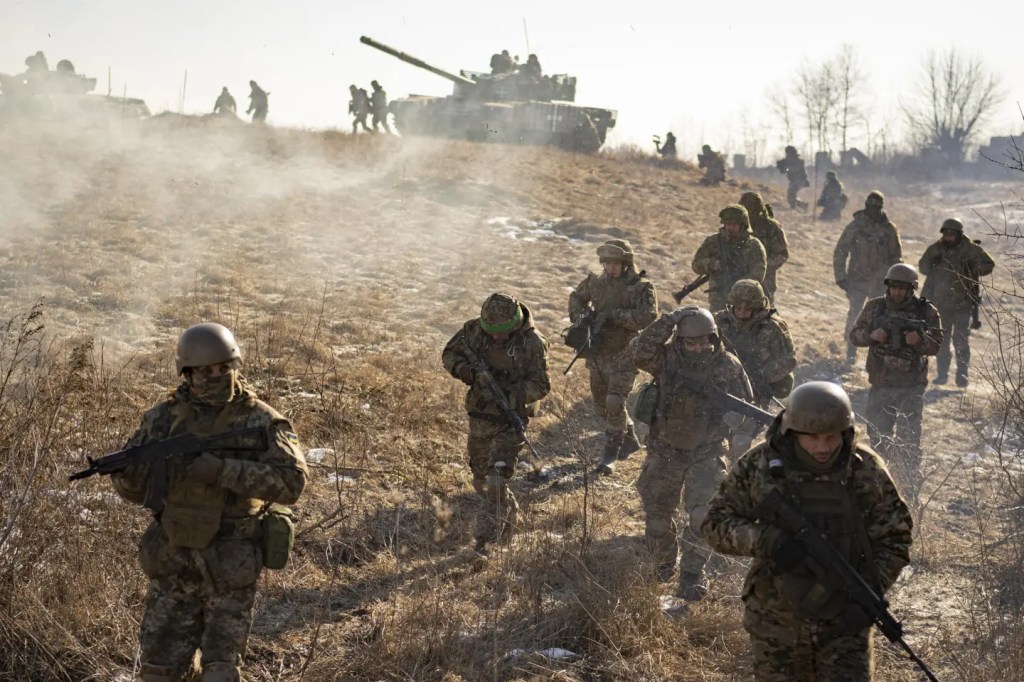
Russia’s annexation of Crimea and its military presence in Ukraine are often described in the West as violations of international law. However, from a Russian perspective, these actions may be seen as defensive measures to protect its territorial integrity and strategic access to the Black Sea and the Caspian energy corridor.
- Defensive Geopolitics:
- Russia views NATO’s eastward expansion and Western support for Ukraine as existential threats, not only to its borders but to its control over regional energy dynamics.
- By securing Crimea, Russia has solidified its control over the Black Sea, ensuring it retains a say in any energy routes through the region.
- Double Standards in Border Security:
- The West often justifies its actions abroad—whether in Iraq, Libya, or Afghanistan—on the grounds of security and stability. Yet, Russia’s concerns about NATO near its borders are dismissed as aggression.
- The war in Ukraine, while tragic, cannot be understood without acknowledging these double standards in how borders and sovereignty are respected.
The Hypocrisy of Energy Security
Europe’s pursuit of Caspian oil underlines the contradictions in its approach to energy and geopolitics. While emphasizing the need for sovereignty and rule of law in Ukraine, it simultaneously bypasses the sovereignty of Caspian nations like Russia and Iran in its quest for energy independence.
- Pipeline Politics and Exclusion:
- Projects like the Baku-Tbilisi-Ceyhan pipeline and the Trans-Caspian pipeline are designed to bypass Russian and Iranian territory, effectively excluding these nations from benefiting from their regional influence.
- This raises the question: is energy security a right for Europe but not for Caspian nations?
- Resource Nationalism:
- Russia and Iran are protective of their energy resources, just as the U.S. is about its oil reserves in Alaska or the Gulf of Mexico. Why should their reactions to foreign interference be viewed differently?
Lessons from the War in Ukraine
The war in Ukraine provides a cautionary tale of what happens when geopolitical interests clash with the principles of sovereignty and equality. It highlights the dangers of a world where powerful nations claim resources near others’ borders while denying the same rights to others.
- A World Without Double Standards:
- The West must ask itself: would it tolerate Russia or China pursuing similar resource strategies near its borders?
- A truly fair approach to global energy security would involve greater respect for the sovereignty of resource-rich nations and balanced negotiations that do not rely on exclusionary tactics.
- Energy Transition and Responsibility:
- As the world transitions away from fossil fuels, the West must address its historical exploitation of global resources. The focus should shift to cooperation rather than competition, especially in regions like the Caspian Basin.
Europe’s dependency on Caspian oil and the geopolitical struggle surrounding Ukraine reveal a deeper issue: the unequal application of principles like sovereignty and border protection. While the West seeks access to resources far from its shores, it vilifies similar actions by other powers near their borders. To create a more stable and equitable world, energy policy must move beyond double standards and focus on mutual respect and collaboration.



 Hypothetical Thinking
Leave a comment