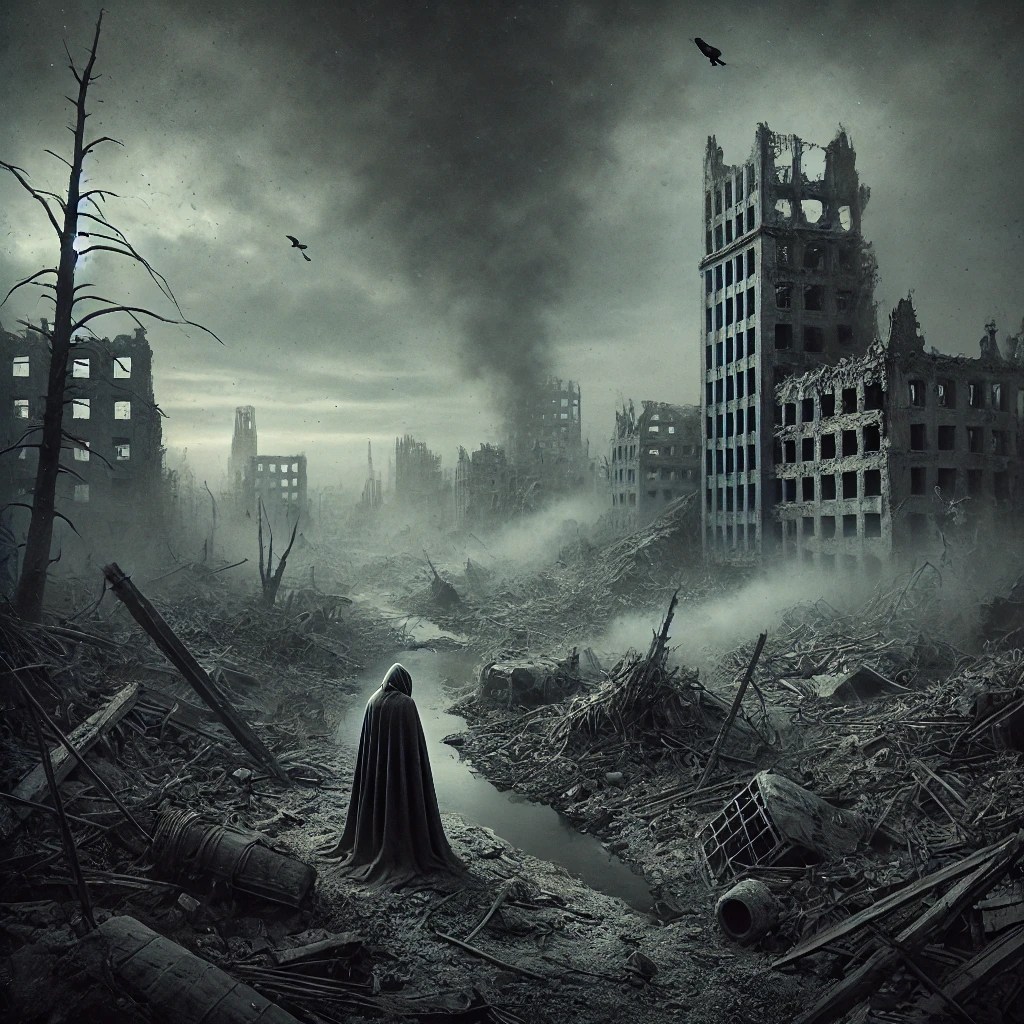
In an era where political rivalry and legacy-building dominate headlines, the hypothetical scenario of President Joe Biden taking aggressive steps against Russia to overshadow the policies of former President Donald Trump raises questions about checks and balances, global stability, and constitutional safeguards.
This scenario, while speculative, underscores the importance of understanding how the United States government might react if a sitting president’s actions inadvertently or deliberately lead to war, particularly in pursuit of a politically motivated agenda.
Escalating Tensions: The Hypothetical Premise
Imagine a series of decisions by President Biden that escalate U.S.-Russia relations to the brink of war. These actions, framed publicly as a defense of democratic values and national security, could privately be aimed at discrediting Trump’s foreign policy, particularly his contentious approach to Russia.
Critics might claim such a strategy seeks to dismantle Trump’s “America First” legacy, painting Biden as the strongman standing up to Moscow. However, the implications of such actions would extend far beyond political maneuvering, with the potential for global chaos.
Congressional Oversight: A Critical Check
Congress holds significant power to check the president’s ability to start or sustain a war:
- War Powers Authority: Congress alone can declare war. If Biden bypasses this constitutional mandate, it would provoke intense debate and legal challenges under the War Powers Resolution of 1973.
- Defunding Military Actions: Should the conflict escalate without congressional approval, lawmakers could cut off funding for further military operations, effectively halting Biden’s efforts.
- Impeachment Proceedings: If deemed reckless or politically motivated, Biden’s actions could trigger impeachment proceedings, particularly if they contravene constitutional authority.
Military Resistance: A Safeguard Against Reckless Orders
The Department of Defense and military leadership might resist actions that are perceived as reckless or illegal. Military officials are bound by law to refuse orders that violate U.S. or international law, and they could act as a buffer against unilateral escalation.
Furthermore, career military professionals tend to prioritize national security over political objectives, meaning any overtly partisan motivations for conflict would likely face significant pushback within the Pentagon.
International Implications
A U.S.-Russia war, sparked by political motives, would destabilize global geopolitics. Allies in NATO might question the legitimacy of the conflict, straining transatlantic relations. Meanwhile, countries like China could exploit the chaos to assert their own agendas.
Additionally, international bodies such as the United Nations would likely condemn unilateral military action, calling for de-escalation and holding the U.S. accountable for undermining global stability.
Public Opinion: A Powerful Deterrent
The American public plays a crucial role in shaping wartime decisions. In a politically charged conflict, widespread opposition could pressure Congress to act against the president’s actions. Protests, media scrutiny, and declining approval ratings would make it politically untenable to sustain a war effort driven by partisan goals.
The Trump Legacy Factor
The legacy of former presidents often becomes a political football for their successors. In the case of Trump, his approach to Russia has been a polarizing issue. While his administration faced criticism for perceived friendliness toward Moscow, Trump’s defenders could argue that Biden’s hypothetical actions are an overcorrection—or worse, an attempt to erase a rival’s legacy.
This narrative could deepen political divisions, making bipartisan efforts to address the conflict nearly impossible.
Conclusion: Protecting Democracy From Overreach
While the idea of starting a war to destroy a predecessor’s legacy is deeply troubling, the U.S. system of checks and balances is designed to prevent unilateral actions that could lead to such outcomes. Congressional oversight, military safeguards, public opinion, and international accountability form a robust defense against politically motivated wars.
In the end, America’s strength lies in its institutions, which ensure that no single individual—regardless of political ambition—can unilaterally lead the nation into chaos. Hypothetical or not, such scenarios serve as a reminder of the importance of vigilance, transparency, and adherence to democratic principles.


 Hypothetical Thinking
Leave a comment