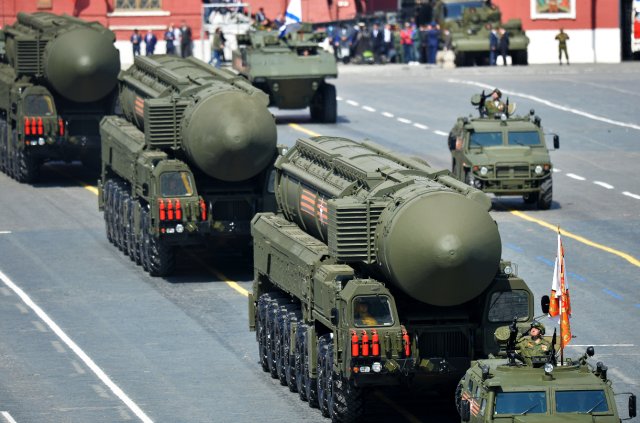
Hypothetical Shifts in U.S. and NATO Policy, and the Rising Geopolitical Response from Russia and China”
In the realm of geopolitics, actions by one power rarely go unanswered. The global arena operates on a complex tit-for-tat basis, where the moves made by one country or alliance often embolden others to respond similarly. In a hypothetical scenario where President Biden’s administration deepens U.S. involvement in Ukraine—potentially by supplying advanced long-range missiles—the consequences would not be limited to Eastern Europe alone. This action could prompt Russia, and possibly China, to make strategic moves in regions traditionally within the U.S. sphere of influence, from South America to the Indo-Pacific.
A potential Trump administration may face the consequences of these developments, especially if it seeks to withdraw from certain foreign engagements. This analysis explores how tit-for-tat moves on the global stage might unfold if the U.S. or NATO takes decisive actions near Russia’s borders, leading to reciprocal actions by Russia and China closer to U.S. borders.
A Tit-for-Tat Dynamic: How Major Powers Mirror Each Other’s Moves
In geopolitics, an action by one superpower in a sensitive area is often mirrored by another superpower elsewhere. If NATO and the U.S. consider expanding influence near Russia’s sphere, Russia and China might respond with similar maneuvers in regions traditionally within the U.S.’s sphere of influence.
For instance:
- NATO in the Caspian Basin vs. Russia in South America: If NATO increases its presence around the Caspian Basin by drawing Georgia or Azerbaijan closer into its orbit, Russia might feel justified in increasing its footprint in Latin America, particularly in Venezuela. Such a move would signal Russia’s intention to project power near U.S. borders, just as NATO’s presence in the Caspian region would project power near Russian borders.
- U.S. Indo-Pacific Strategy vs. China’s Influence in the Americas: If the U.S. continues to strengthen its alliances in the Indo-Pacific, enhancing military cooperation with countries like Japan, South Korea, or the Philippines to contain China, China might pursue deeper relationships with Latin American countries, investing economically and building strategic ties. For instance, China might seek closer cooperation with countries like Brazil or Argentina, adding an economic and security presence close to U.S. shores, much as the U.S. has done in China’s vicinity.
These tit-for-tat dynamics reflect a pattern of reciprocal action, where one power’s actions embolden the other to respond in kind, maintaining a delicate balance that, while sometimes stable, also carries the risk of escalation.
The Caspian Basin and South America: Mirror Images of Geopolitical Influence
For Russia, the Caspian Basin region holds vital security and economic interests, as it forms a key buffer zone and contains significant energy reserves. Similarly, the U.S. has long viewed Latin America, particularly South America, as a strategic region where foreign military influence would challenge its security interests.
- NATO in the Caspian Basin: If NATO were to push further into regions near the Caspian, such as through Georgia or Azerbaijan, Russia might perceive this as a threat to its security. Historically, Russia has viewed NATO’s presence near its borders with suspicion, and the Caspian Basin is seen as critical for its strategic buffer. To Russia, NATO’s move into this region would necessitate a strategic response.
- Russia in South America: In response, Russia could increase its own presence in Latin America. Venezuela, for example, might welcome greater Russian support, whether through military cooperation or economic investment. Establishing a stronger Russian presence in South America would signal to the U.S. that Russia, too, has the capacity to project power in areas sensitive to American interests, much as NATO has done in Eastern Europe.
This reciprocal dynamic would make clear that any attempt by one side to push boundaries is likely to be met with a counteraction elsewhere. Both NATO’s move near the Caspian and a hypothetical Russian pivot to Venezuela would illustrate how each side is willing to challenge the other in its respective sphere.
The China Factor: Expanding Influence in Response to U.S. Moves in the Indo-Pacific
In this tit-for-tat framework, China, too, might view U.S. actions in regions like the Indo-Pacific as an invitation to establish its own presence closer to U.S. borders. As the U.S. strengthens alliances with countries like Japan, South Korea, and Australia under its Indo-Pacific strategy, China might counter by deepening its relationships in Latin America.
- U.S. Indo-Pacific Strategy: The U.S. has worked to contain China’s influence in Asia by bolstering alliances with Indo-Pacific nations, conducting military exercises, and expanding its naval presence. This strategy seeks to check China’s power in its own region, but it could also encourage China to pursue similar influence in the Americas.
- China in Latin America: In response, China might expand its Belt and Road Initiative and increase investments in Latin American infrastructure, technology, and resources, establishing itself as an economic and potentially strategic partner in countries like Brazil, Argentina, and even Mexico. These moves could bring China closer to U.S. borders, mirroring the U.S.’s presence close to China in the Indo-Pacific.
This dynamic is not just about military influence but also about economic clout and infrastructure investment. China’s moves in Latin America, especially if they involve projects like port development, technology infrastructure, and energy partnerships, would signify an effort to counterbalance U.S. influence in Asia.
Reciprocal Responses and Escalation Risks
The tit-for-tat pattern of influence projection by the U.S., NATO, Russia, and China carries inherent escalation risks. As each power pushes into the other’s sphere, the potential for misinterpretation and miscalculation grows.
- Security Dilemmas: A perceived threat in one area often leads to defensive posturing elsewhere, creating a security dilemma where each side’s moves seem justified for defense but are interpreted as offensive by the other. NATO in the Caspian Basin, for example, could prompt Russia to increase military readiness not only in Eastern Europe but also in its own territories bordering South America, preparing for a potential U.S. response.
- Regional Tensions and Alliance Shifts: As Russia strengthens ties with Venezuela or China increases its investment in Latin America, regional alliances could shift. Latin American countries, for example, may find themselves caught between U.S. and Chinese influence, leading to a new kind of Cold War dynamic in which regional alliances become battlegrounds for influence.
Strategic Calculus for All Parties
Each power must weigh the benefits of expanded influence against the potential costs of escalation:
- For NATO and the U.S.: Pushing into the Caspian Basin or expanding Indo-Pacific alliances may enhance security and counter Russian and Chinese influence, but at the cost of inviting these powers to challenge U.S. influence closer to home. A robust presence in Europe or Asia might come with the price of increased foreign influence in Latin America.
- For Russia and China: Strengthening ties in South America would signal resistance to Western encroachment but could invite more U.S. military and economic action in response. Russia and China would need to calculate the benefits of a foothold near the U.S. against the risk of escalating tensions.
Conclusion: A Global Balance in Motion
In this hypothetical tit-for-tat scenario, each move by NATO, the U.S., Russia, and China reinforces a delicate global balance. Expansions of influence are not isolated actions but ripple through the international system, prompting similar responses in other regions. Whether it’s NATO’s influence near the Caspian Basin, Russia’s presence in South America, the U.S.’s Indo-Pacific strategy, or China’s expansion in Latin America, each of these actions could invite a counteraction, keeping the balance of power in constant motion.
This balance reflects a global arena where no single power can act without prompting a response, underscoring the interconnectedness and reciprocity that define today’s geopolitics. As the U.S., NATO, Russia, and China continue to interact in this global chess game, every move made near one power’s sphere of influence will almost certainly inspire a reciprocal move near the other’s, illustrating the persistent tit-for-tat nature of global strategy.

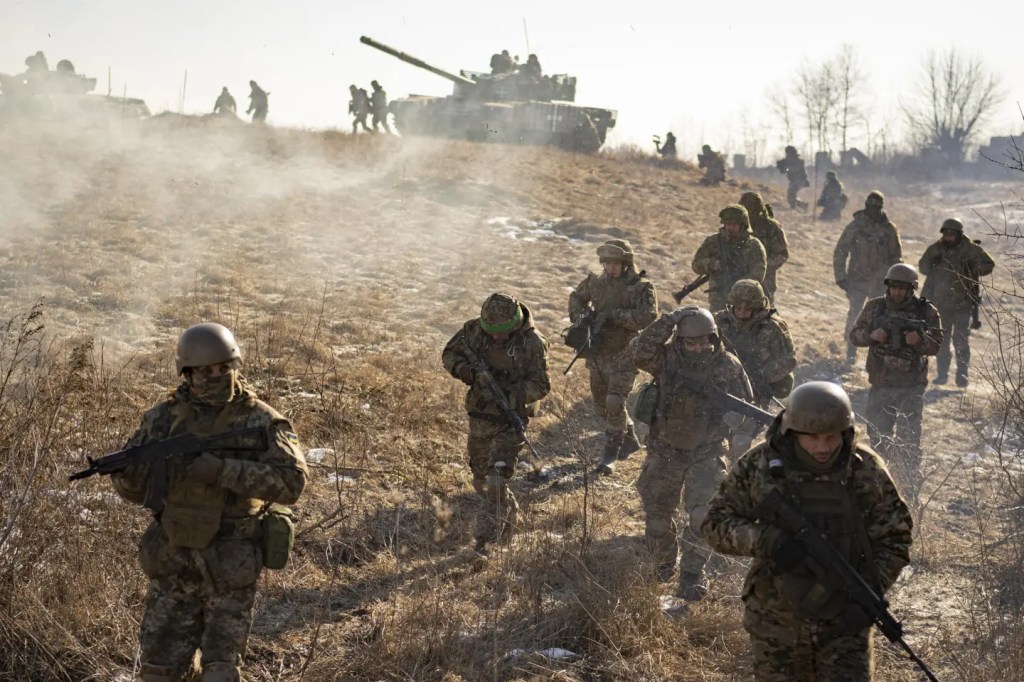


 Hypothetical Thinking
Leave a comment