Could It Be Used as a Destructive Tool?
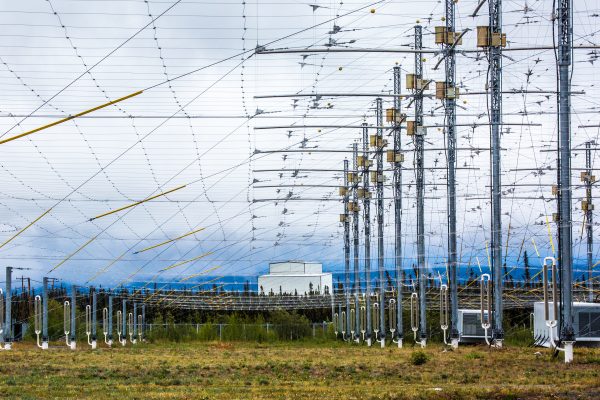
The idea of turning a research facility like HAARP (High-Frequency Active Auroral Research Program) into a weapon raises important questions. HAARP, located in Gakona, Alaska, uses powerful radio transmitters to heat localized regions of the ionosphere. This facility is known for studying ionospheric processes that affect communication, navigation, and natural phenomena. If such technology were controlled by a malicious government group with harmful intentions, it could theoretically be weaponized. This article explores the remote possibility and potential dangers of such a scenario.
How HAARP Could Hypothetically Be Weaponized
If HAARP or similar systems were used for harmful purposes, they might be able to induce atmospheric changes. Here are some potential ways this could be done:
- Creating Localized Atmospheric Disturbances
Heating specific regions of the ionosphere could lead to changes in atmospheric pressure or wind currents below. In theory, this could influence localized weather patterns or interfere with radio wave propagation. - Altering Hurricane Paths
Even though the energy requirements for steering hurricanes are immense, a coordinated effort involving multiple ionospheric heaters could, in theory, modify atmospheric conditions enough to influence a storm’s path. This could involve creating a low-pressure or high-pressure channel to “guide” the hurricane. However, controlling the storm’s movement would be highly uncertain due to the chaotic nature of the atmosphere. - Disrupting Communication and Navigation Systems
By affecting ionospheric conditions, a weaponized HAARP could interfere with GPS, radar, or radio signals, potentially disrupting communication over a targeted region.
Combining Multiple Ionospheric Heaters: Amplifying the Effects
If multiple HAARP-like systems were used together, their combined power could increase the scale of ionospheric heating. Here’s how this might work:
- Larger Area of Influence
Synchronizing several facilities could expand the area affected by ionospheric heating, possibly impacting atmospheric conditions over a wider region. - Increased Magnitude of Effects
The combined energy could amplify changes in ionospheric temperature and density, potentially influencing weather patterns more significantly than a single facility. - Coordinated Heating to Target Specific Outcomes
Multiple facilities could operate in a coordinated manner to create specific atmospheric disturbances. This approach might be used to influence storm paths or other weather phenomena in subtle ways.
Challenges and Risks
While the hypothetical potential exists, there are significant challenges:
- Energy Requirements and Scale Limitations
Even with several facilities combined, the energy levels would still be far below what’s needed to control large weather systems, like hurricanes, which involve vast amounts of energy. - Unpredictability of Weather Modification
The atmosphere’s chaotic nature makes it difficult to achieve controlled and predictable outcomes, and there could be unintended consequences.
This hypothetical scenario serves as a warning about the potential risks if such technology were weaponized and used maliciously. The possibility of using ionospheric heaters for harmful purposes, while speculative, underscores the need for caution when dealing with powerful atmospheric technologies.




 Hypothetical Thinking
Leave a comment