If Americans perceive that their government is prioritizing aid to Palestine and Ukraine over addressing domestic concerns, it could have significant political consequences. Here’s how such a perception could potentially impact elections:
- Erosion of Trust and National Priorities: Voters might feel that the government is neglecting its duty to prioritize the needs of its own citizens, particularly in areas like disaster relief, infrastructure, healthcare, and the economy. This could result in a widespread erosion of trust in the leadership, especially if people feel their tax dollars are being allocated abroad at the expense of critical domestic issues.
- Increased Populist Sentiment: Populist candidates, who focus on “America First” policies, could gain traction by tapping into the frustration of voters who feel disenfranchised. They would likely use this perception as a rallying cry to attract those who believe the government is out of touch with their needs. This could lead to a shift in voter alignment, especially among working-class and middle-class voters who may already feel economically stressed.
- Loss of Support Among Key Demographics: If significant groups, such as veterans, blue-collar workers, or disaster-stricken communities, believe that foreign aid is prioritized over their well-being, it could lead to a decline in support for the party in power. This might particularly resonate in swing states, where elections can be decided by small margins and where local economic or disaster-related concerns are more pressing.
- Political Messaging by Opponents: Opposing parties would likely capitalize on this sentiment, framing the incumbent government as being disconnected from the needs of everyday Americans. They would focus on building a narrative that the government is more concerned with international issues than with struggling citizens, creating a powerful electoral argument.
- Turnout and Voter Engagement: Disenfranchised voters might become demoralized, leading to lower voter turnout among certain groups. Alternatively, the frustration could galvanize voter engagement, driving those who feel ignored to vote for candidates who promise to refocus on domestic priorities. This could reshape the political landscape depending on how effectively opposition candidates harness this frustration.
In sum, if Americans believe their government is neglecting their needs in favor of international commitments, it could weaken the party in power, shift voter alliances, and fuel populist or nationalist movements, potentially reshaping future elections.
An obscure group within the government is responsible for deploying unmarked helicopters to block and disrupt relief efforts in the aftermath of the hurricanes, several potential purposes might be speculated:
- Control of Information and Perception: By blocking relief efforts, the group could be aiming to control the narrative around the disaster. They might want to manipulate media coverage and public perception of the government’s response, either to discredit certain individuals or to create a sense of chaos that could be used for political leverage.
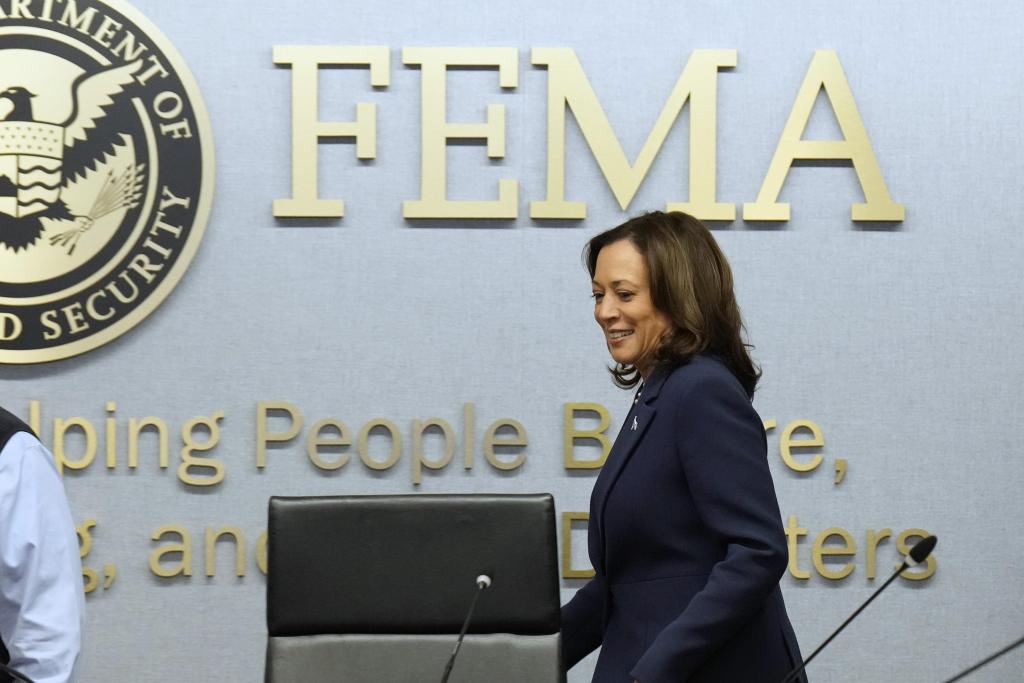
- Political Destabilization: Obstructing aid could be part of a larger plan to destabilize political leadership at the state or federal level. By exacerbating the suffering of survivors and making the response appear inefficient or negligent, it could weaken the standing of current officials, particularly those involved in disaster management, like FEMA or state governors, thereby creating space for new leadership to emerge or for certain political agendas to gain traction.
- Experimentation or Covert Operations: In more extreme hypothetical scenarios, the disruption could serve as cover for covert operations or experimentation, with the aftermath of a disaster providing an opportunity to test public reactions, conduct psychological operations, or field-test new technologies or strategies without much scrutiny.
- Exertion of Control Over Resources: A darker theory might involve using the crisis to exert control over relief resources (food, water, medical supplies) or the affected population. This could be tied to enforcing dependency or leverage for future compliance, creating a situation where the population is weakened and more easily controlled through limited aid or selective distribution of resources.
- Undermining Community Solidarity: Blocking relief could sow distrust among survivors, community organizations, and outside relief agencies. If trust in local, state, or national government institutions falters, this could fragment the social fabric, making it easier to push through otherwise unpopular policies or changes under the guise of restoring order.
These are speculative scenarios, but such actions, if orchestrated by an obscure group within the government, would likely serve to amplify chaos, division, and uncertainty, potentially advancing hidden political, social, or strategic objectives.
The Reality on the Ground: SpaceX and Starlink vs. FEMA
The SpaceX engineer at the front lines isn’t describing a simple setback—he’s describing a battlefield. SpaceX deployed over 300 Starlink receivers in North Carolina, providing immediate internet connectivity to communities that had been completely cut off. Relief operations were flowing smoothly—helicopters were delivering supplies, communication was restored, and lives were being saved. But then FEMA intervened. They seized shipments and brought everything to a grinding halt.
FEMA’s actions aren’t just bureaucratic—they’re dangerous. Starlink is precisely the type of rapid-response technology disaster relief teams dream of, yet FEMA seems determined to block its success. This isn’t about safety or protocol—it’s about control. A government agency flexing its power, unwilling to let a private company like SpaceX expose their inefficiency.
FEMA’s Dirty Secret: “Control at All Costs”
If you think FEMA’s interference is about “safety” or “procedure,” think again. Their obstruction of aid has nothing to do with rules—it’s about maintaining control at all costs. They can’t stand the thought of a private company—especially one as effective as SpaceX—outshining their own efforts.
Let’s be clear: FEMA’s actions are not just an abuse of power; they are a direct assault on the very people they are supposed to protect. Instead of embracing outside help, they would rather see people suffer than admit they need it. This is about ego, control, and a complete disregard for human life.




 Hypothetical Thinking
Leave a comment