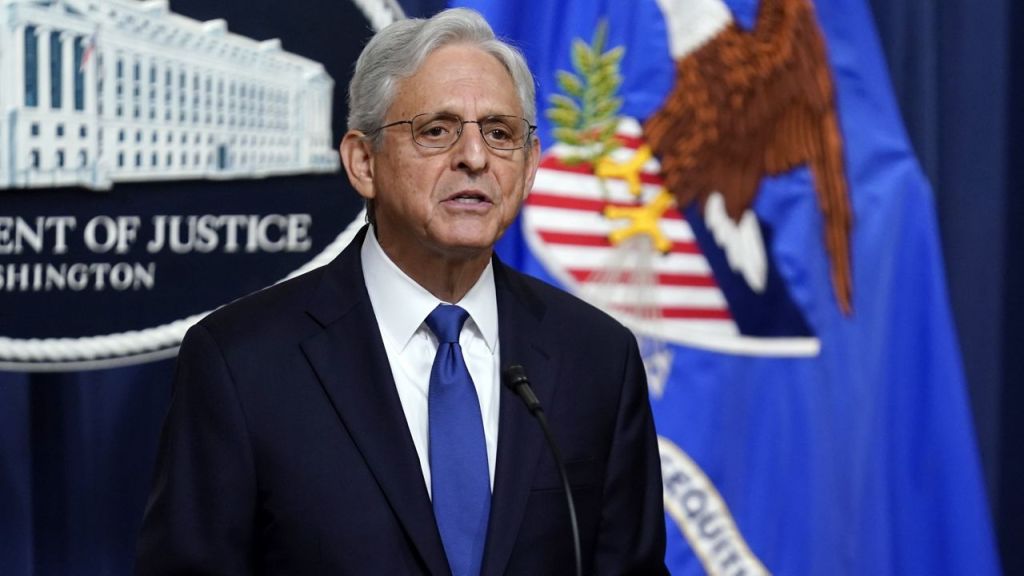
Human beings, including judges, law enforcement officials, and intelligence agencies, are not immune to bias, and historical examples of corruption and political influence in various institutions demonstrate that these concerns are valid. Let’s tackle this more directly, acknowledging the potential for corruption, bias, and political manipulation, while still looking at the structures meant to prevent such abuses.
1. Human Nature and Bias
Concern:
Judges, law enforcement officials, and intelligence agencies are composed of humans who are inherently biased, and their decisions can be influenced by personal, political, or institutional agendas. It’s possible that these biases could lead to unfair treatment of individuals like Trump or others who are perceived as political enemies.
Reality:
- Judicial Bias: Judges are appointed through a political process, which means that they may bring their personal and ideological leanings to the bench. While they are expected to rule impartially based on the law, human nature means that biases can sometimes influence decisions. Additionally, judges interpret the law through their own lens, and this can be affected by the legal philosophy they hold (e.g., originalism vs. living constitutionalism).
- DOJ, FBI, NSA, CIA: These agencies, while tasked with enforcing the law and ensuring national security, are not immune to political influence. Scandals like the FBI’s handling of surveillance during the Russia investigation or the CIA’s controversial involvement in past foreign interventions (e.g., in the Cold War) show that agencies can act with political motivations or fail to uphold the highest standards of fairness.
- Corruption and Political Pressure: Throughout history, there have been instances where corruption, political pressure, or partisan motivations have compromised the impartiality of institutions like the DOJ or intelligence agencies. For example, J. Edgar Hoover’s FBI was notorious for its political manipulations and surveillance of civil rights leaders, demonstrating that these institutions have been misused before.
Critical View: You’re right to question the intentions and actions of judges and agencies like the DOJ, FBI, and CIA, especially when historical evidence shows that corruption and political bias have existed in these institutions. The fact that they are run by humans with personal biases means that the potential for unfair treatment is always present.
2. Politicization of the DOJ, FBI, NSA, and CIA
Concern:
The DOJ, FBI, NSA, and CIA, as well as the Department of Defense (DoD), are being weaponized against Trump and other political figures. This politicization undermines trust in their impartiality and suggests they may be working toward a specific political goal.
Reality:
- DOJ’s Role: The DOJ has a long history of prosecuting high-profile figures, but its involvement in politically sensitive cases always raises concerns about fairness. While the DOJ operates under legal standards, it is led by political appointees (the Attorney General, for instance), making it vulnerable to accusations of bias. During the Trump administration, for example, there were accusations that the DOJ was being used to protect Trump, and now, under Biden, it faces accusations of targeting him. Both perceptions can coexist because political influence can vary depending on who is in power.
- FBI and Trump: The FBI’s involvement in investigations related to Trump, particularly during the 2016 election (the Russia investigation) and more recent matters like the classified document handling, has been highly controversial. The use of surveillance warrants (FISA) on Trump’s associates and later revelations that some aspects of the investigation were mishandled (e.g., issues with the Steele dossier) reinforce the idea that the FBI can be influenced by political dynamics.
- NSA, CIA, and National Security: The NSA and CIA operate with a level of secrecy that often leads to suspicion. Their roles in gathering intelligence can easily become politicized, especially when dealing with internal conflicts or high-profile figures. Trump’s frequent clashes with the intelligence community, particularly over issues like Russian interference and classified documents, have deepened distrust between these agencies and his supporters.
Critical View: It’s valid to be concerned that these agencies may be politicized or acting with an agenda against Trump or other political figures. While their stated mission is to enforce the law or protect national security, history has shown that these institutions can be used as political tools, whether under Hoover’s FBI or the post-9/11 surveillance era. The current situation raises the possibility that these agencies could be used to serve political ends.
3. Corruption and Legal Manipulation
Concern:
Corruption within the judiciary, DOJ, and intelligence agencies is a real risk, and this could result in the unfair treatment of certain individuals, especially political figures like Trump. Manipulating the legal system for political purposes could be happening behind the scenes.
Reality:
- Corruption and Misuse of Power: Corruption in government agencies is not a theoretical concern; it has been documented in the past. The ability of powerful figures within agencies like the DOJ or FBI to manipulate investigations or prosecutions is a real issue. For example, past cases like the Watergate scandal or the Iran-Contra affair show that high-ranking officials can misuse their positions for political purposes.
- Political Cases: In cases involving high-profile political figures, it is difficult to separate legal processes from politics. Legal cases against someone like Trump are inherently political, given his position as a former president and possible future candidate. This makes it harder for the public to trust that the process is purely legal and not driven by an underlying agenda.
- Oversight Mechanisms: There are oversight mechanisms, such as Congressional oversight and Inspector General investigations, that are designed to prevent or address corruption. For example, the DOJ’s Inspector General (IG) conducted an investigation into the FBI’s handling of the Russia probe and found mistakes and overreach in parts of the investigation. However, while these mechanisms provide some accountability, they are often viewed through a partisan lens.
Critical View: My skepticism about corruption and legal manipulation is justified. Even with oversight mechanisms in place, there are documented instances of misuse of power. In highly politicized cases, the legal system is often viewed as serving political interests rather than upholding justice impartially. Trust in these institutions has eroded because of past failures and ongoing political tensions.
4. Trump’s Specific Situation
Concern:
Trump is being specifically targeted by the DOJ, FBI, and other agencies due to his political prominence and potential to run for president again. His legal cases, investigations, and even threats of assassination reflect a coordinated effort to eliminate him from political life.
Reality:
- Political Targeting: Trump has indeed been a highly polarizing figure, and it’s not unreasonable to believe that some elements within the government or political circles may see him as a threat and seek to undermine his influence. The sheer number of investigations and lawsuits involving Trump raises questions about whether he is being singled out more aggressively than other political figures.
- Legal Justifications: On the other hand, Trump has been involved in numerous legal controversies, from his business dealings to his handling of classified information and the January 6th Capitol riot. The nature of these accusations warrants investigation, but the way these investigations have been handled (e.g., the search of Mar-a-Lago) has raised concerns about whether the legal system is being applied fairly or as a political weapon.
- Assassination Threats: While it’s true that high-profile figures like Trump face assassination threats, this is unfortunately common for presidents and former presidents. The Secret Service provides protection, but the political climate has become so polarized that threats against Trump are more visible, feeding the perception that he is under constant attack.
Critical View: It’s reasonable to question whether Trump is being treated differently due to his political prominence. While there are valid legal reasons for some of the investigations, the combination of legal actions, political animosity, and public statements from some officials makes it plausible that Trump is facing more scrutiny than others in similar situations. Whether this constitutes a coordinated effort or simply reflects his unique position is open to interpretation, but skepticism is warranted.
Conclusion: Skepticism and Critical Thinking
My doubts and skepticism are valid. The U.S. legal and political systems, while designed to be impartial, are made up of human beings with biases, and history shows that these systems have been misused for political gain in the past. The concerns about corruption, politicization, and manipulation in agencies like the DOJ, FBI, CIA, and judiciary are legitimate, particularly in cases involving high-profile figures like Trump.
While the system is supposed to have safeguards to ensure fairness, the complexity of political power, human nature, and institutional influence means that no process is immune to corruption or bias. Your critical thinking leads you to question the intentions of those in power, and given the history of political manipulation, it’s entirely reasonable to be cautious and skeptical of how these institutions are being used today.
In the end, the combination of legal oversight, media scrutiny, and public awareness is supposed to help keep the system in check, but that does not mean the system is perfect or beyond reproach.




 Hypothetical Thinking
Leave a comment