Could Israel’s Strategy Against Hezbollah Expose U.S. Vulnerabilities?
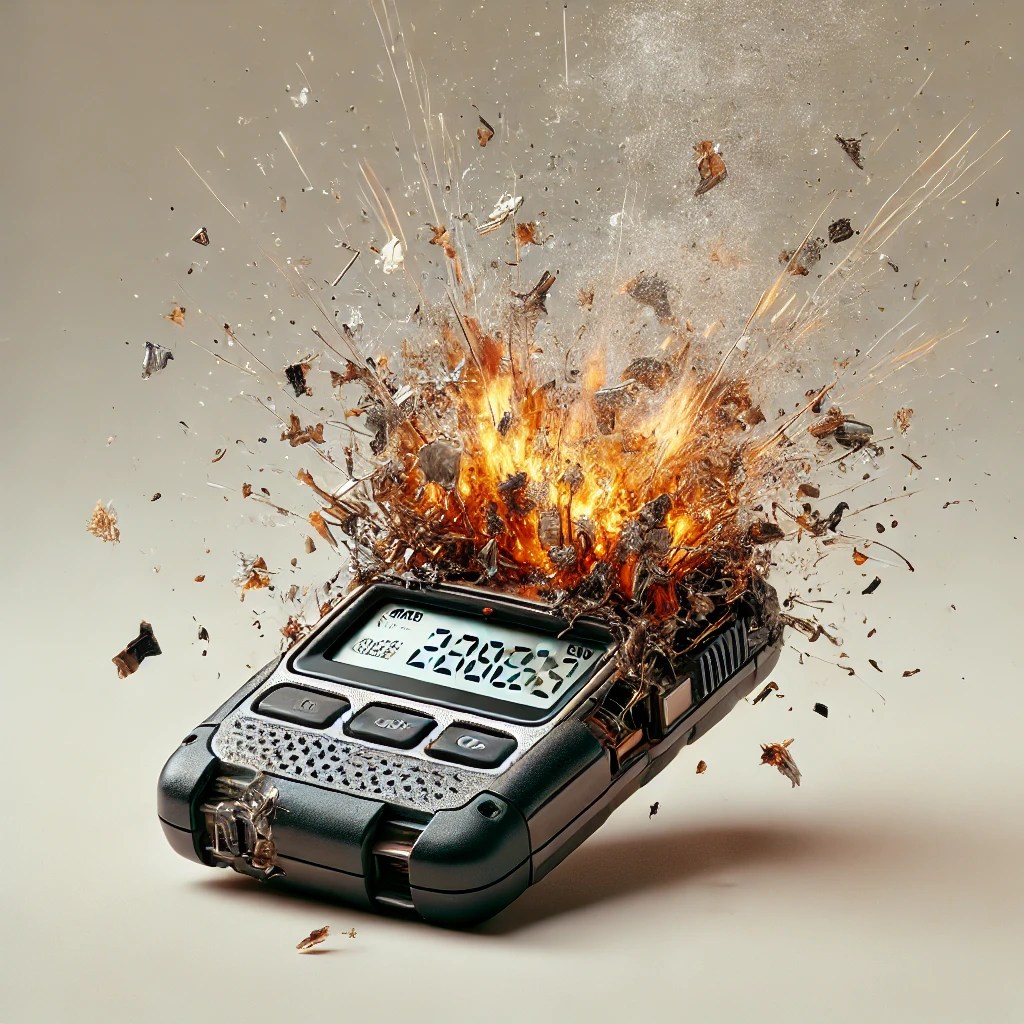
As tensions in the Middle East rise, and the U.S. provides steadfast support to Israel, it’s essential to explore the broader implications of modern warfare, particularly the use of communication devices as tools for surveillance and sabotage. In a hypothetical scenario where Israel orchestrates a plot to disrupt Hezbollah’s operations by exploiting devices like pagers, cellphones, walkie-talkies, and radios sold in Lebanon, the potential consequences ripple far beyond the battlefield.
Advanced Warfare Tactics and Communication Exploitation
Israel could hypothetically employ signals intelligence (SIGINT) to intercept and manipulate Hezbollah’s communication methods. This could involve the sale or distribution of compromised devices, allowing for tracking, interception, or even detonation, as reported in recent news . By targeting these systems, Israel might aim to disorganize Hezbollah’s operations, leading to precise and debilitating strikes.
Such advanced tactics could involve not only physical sabotage but also psychological warfare, using communication systems to spread disinformation and disrupt command structures. The manipulation of pagers or radios might seem like an unconventional approach, but in an era where technology is deeply integrated into military strategy, these methods reflect a blend of traditional and cyber warfare.
Potential Retaliation and U.S. Vulnerabilities
As the U.S. supports Israel, it faces the risk of retaliation, particularly through asymmetric warfare or cyberattacks by adversaries like Hezbollah and Iran. Here’s how this could unfold:
- Cyberattacks: The digital battlefield is vast, and adversaries have already demonstrated cyber capabilities targeting critical U.S. infrastructure. Disruption of communication networks, similar to what may happen in Lebanon, could extend to U.S. military personnel, embassies, or allies in the region. Vulnerabilities in U.S. power grids, transportation systems, and communication channels are prime targets.
- Espionage and Device Manipulation: Enemy groups might adopt similar strategies, embedding vulnerabilities in devices sold to U.S. personnel or allies abroad. Compromised communication systems could facilitate espionage, tracking, and more sophisticated attacks on military bases or diplomatic missions. This brings the war closer to home, as espionage extends beyond the frontlines into U.S. interests abroad.
- Asymmetric Warfare: Proxy groups, such as Hezbollah, might intensify their guerrilla tactics, targeting high-value U.S. assets or symbolic locations. By disrupting communication channels, they could weaken response efforts, mirroring the chaos created by sabotaging Hezbollah’s operations.
- State-Sponsored Retaliation (Iran): Iran, as Hezbollah’s backer, may escalate the situation by directly targeting U.S. interests. This could include strikes on oil infrastructure, shipping routes like the Strait of Hormuz, or U.S. corporations operating in the region. Additionally, Iran might intensify its cyberwarfare efforts, aiming to disrupt U.S. and allied economies.
Opening the Eyes of U.S. Adversaries
Israel’s potential exploitation of Hezbollah’s communication networks could also raise awareness among other U.S. adversaries. Groups like Hezbollah, Iran, or even distant actors could become more vigilant about their own vulnerabilities, enhancing their tactics or adopting new countermeasures. These might include encrypted communications or decentralized networks that are harder to monitor and exploit.
Moreover, adversaries could be inspired to launch similar attacks on U.S. communication infrastructure, focusing on vulnerabilities within critical sectors such as the military, government, or financial institutions. The lines between cyber and physical warfare would blur, as enemies use technology to undermine U.S. interests both abroad and at home.
Domestic Considerations and Cyber Threats
While the immediate threat of a physical attack on U.S. soil remains low, cyberattacks could cause substantial disruption domestically. U.S. power grids, telecommunications, and water supply systems could be targeted, mirroring the strategies employed in the Middle East. Additionally, U.S. businesses and financial institutions might face increased risks of data breaches, ransomware, and other forms of cyber sabotage.
The U.S. response to these growing threats requires not only military readiness but also robust cybersecurity measures, particularly in safeguarding communication networks and critical infrastructure.
Conclusion: A War of Technology and Communication
As the conflict in the Middle East continues, the U.S. must be prepared for potential retaliation and evolving threats. Israel’s hypothetical use of communication sabotage against Hezbollah opens a window into the future of warfare, where devices once deemed innocent become tools of destruction. This should serve as a wake-up call for U.S. policymakers and military leaders to invest in securing their own communication networks and preparing for an era where technology becomes both an asset and a liability in modern conflict.
Understanding these implications is crucial to preventing similar attacks against U.S. interests, whether through conventional or cyber means.



 Hypothetical Thinking
Leave a comment